

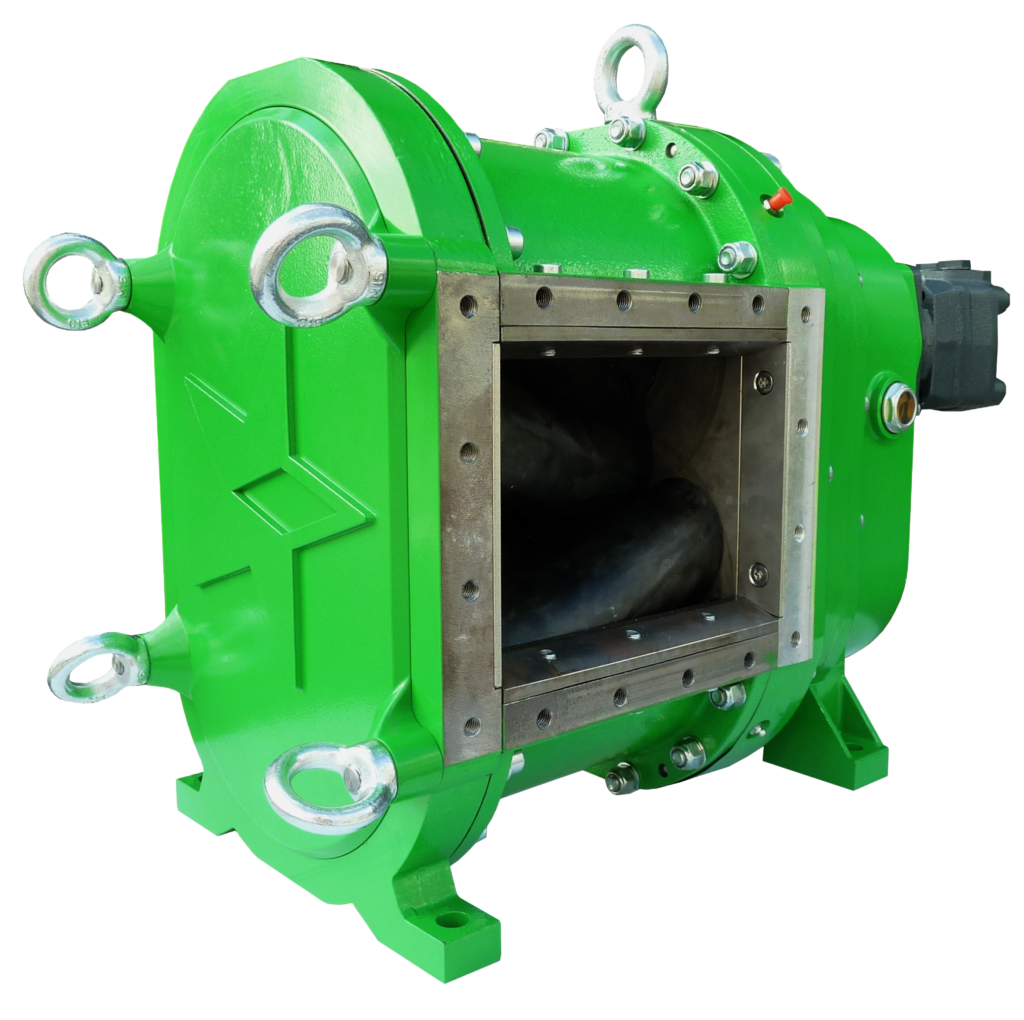
Lightweight rotary lobe pump developed down to the last detail


Why Benedict®?

EXPERIENCE
29 years of experience in this sector

Advice
Personal advice from a pump expert

Price
Best value for the money
General questions about a rotary lobe pump.
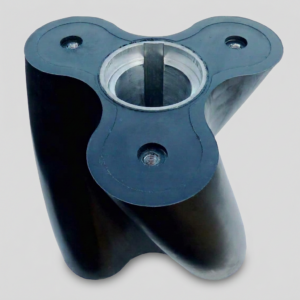
The rotation of the lobes creates a negative pressure on the suction side.This sucks the liquid into the pump chamber.The rotation of the lobes sucks the liquid into the pump chamber.If the direction of rotation is reversed, this causes a reversal of the flow,A rotary lobe pump can therefore push and suck from both sides.Because a rotary lobe pump mechanically moves a fixed volume of liquid per revolution, the flow remains constant regardless of the pressure, also known as pump flow.
A rotary lobe pump can be used to pump almost all types of liquids, but they particularly excel at moving high-viscosity liquids such as slurry, sludge, digestate, greases, syrups and bitumen.
Also liquids that contain solid components such as stones, pits, etc. or foreign objects, but this depends on the size of the pump, this is then referred to as a maximum ball passage!
Whether a rotary lobe pump needs a lot of maintenance depends on which liquids are pumped with it and the operating hours that the rotary lobe pump makes.
In general, in “normal” operation, a rotary lobe pump requires little maintenance because rotary lobe pumps generally run slowly with a maximum speed of 600 revolutions per minute.
Over time and depending on the operating hours, wear does occur on the lobes and the wear plates on the inside of the pump chamber, these can then be replaced to guarantee 100% pump capacity again.